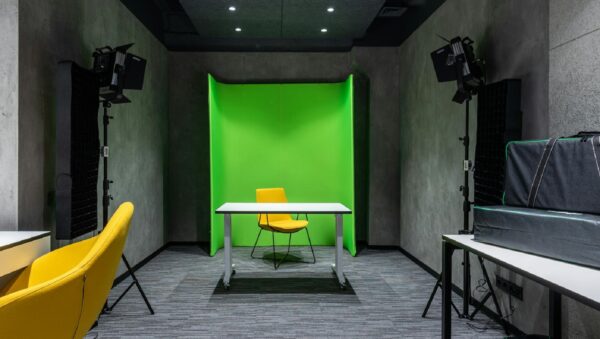
When booking a green screen studio rental in Cincinnati during winter, heating might feel like a small detail. But cold weather can do more than make you shiver. It plays a part in how your recording sounds, how sharp your footage looks, and how smoothly your day runs. A chilly studio can sap energy, slow your start, and throw your shoot off rhythm. That is why it helps to plan for heat before you hit record. From voiceovers and jingles to commercial shoots, keeping the space warm lets the work stay focused and on track. Even if you don’t notice the temperature dropping at first, it can sneak up on you between takes or as the day goes on. Planning the right heating setup in advance means you don’t have to pause and wait for things to warm up or worry about talent losing focus because they are just too cold. Whether you’re working with a full production team or just a small group, comfort supports everyone’s best work.
Staying Warm Keeps Talent Focused
Cold air does not just make fingers stiff. It disrupts focus. Trying to sing, speak, or stay on script while freezing can lead to tired takes and rough timing. Energy tends to drop when noses run and shoulders hunch.
• Vocal work sounds better when jaws are not clenched from the cold
• Talk tracks and singing feel smoother when lungs do not tighten
• Fewer mistakes means fewer re-dos, especially helpful for long-form or music-based sessions
A steady, comfortable temperature makes it easier to stay present. And for jobs that rely on close-ups or microphones, that difference in comfort adds up fast. If you’re working with kids, older talent, or anyone who needs to stay comfortable to do their best, warmth is even more important. Taking care of the studio environment helps the session move at a steady pace, keeps everyone on track, and reduces the risk of having to redo scenes due to shivering or low energy.
Heat and Gear: Why Temperature Matters for Equipment
When gear comes in from the cold, it does not bounce back right away. A camera lens stored in a car overnight might fog up the moment it hits studio air. Batteries that usually last a full shoot can drain early or lag. For video cameras and instruments used in music or radio commercial production, super cold temperatures can cause even more unexpected issues.
• Cold gear may need time to adjust before working at full power
• Foggy lenses can block a perfect take
• Flickering lights or slow-firing flashes often trace back to cold conditions
Humidity, metal, and electronics are not always a good combination. If lighting is important for your green screen shots, or if you have a long list of jingle takes to capture, keeping the space warm gives your equipment the reliability it needs from start to finish. Even microphones and audio boards can become less responsive or glitchy when temperatures drop. Taking a few moments to warm up your camera and sound gear inside the heated studio helps avoid waiting for lenses to clear or troubleshooting mystery issues that slow everything down. It also helps prevent condensation from forming when you bring gear inside quickly, which can protect sensitive electronics in the long run.
Audio Quality Gets a Boost from Proper Heating
Cold rooms make sound behave in odd ways. You might notice surprises like extra echoes, faint pops, or scratchy vocals when the air is dry or chilled. Even small sounds start to creep in.
• Puffy jackets can brush microphones
• Buzzing heaters can sneak into the background
• Shivers and sniffles can interrupt your takes
A warm studio sets a better baseline for audio. It creates a softer, steadier room tone that is easier to clean up later. And it helps talent stay relaxed without the added noise of discomfort. When voices are not tight or strained from the cold, songs and scripts come out fuller and truer to the original plan, which makes mixing and editing easier later. It also means less time spent on fixing tiny but annoying sounds that could have been avoided if the space was comfortable from the start. Consistent warmth allows for smoother transitions between takes, which preserves the natural flow of a session and often boosts the overall mood of the group.
Small Comforts Make a Big Impact on Long Shoot Days
When a shoot lasts a few hours or more, comfort moves from nice to necessary. Waiting in a warm area gives people time to prep, adjust, and regroup between takes. It is those small things, like having a spot to warm up or change clothes, that shape how the day feels.
• Heated setups offer space for coffee breaks, clothing changes, or makeup touch-ups
• People stay fresher when they have spots to pause and warm back up
• Fewer physical distractions improve focus on the creative task
Comfort does not have to be elaborate. But when you are working a script or singing multiple tracks, having a place to rest and recharge keeps the flow steady. Sometimes, just knowing there is a warm spot nearby lets everyone work more confidently. It also brings down stress, no one is distracted by the cold, so they can fully focus on their performance or technical job. Plus, a break in a heated waiting area gives people a chance to clear their heads. Little comforts like these often turn a good session into a great one, especially for radio commercial or jingle production where takes can run long.
Why Heating Should Be Part of Your Studio Planning
When you line up your green screen studio rental in Cincinnati in winter, there is more to ask than light setups or soundboards. Heating really does make a difference. Make sure the space can hold a steady temperature from call time to wrap.
• Pack planning becomes easier without needing heavy coats or extra layers
• A warm studio supports better use of time, from initial setup through last take
• Everyone walks in ready, without needing extra minutes to thaw out
Knowing the temperature is under control lets you shift attention to lighting, angles, or sound quality instead. That makes the creative process run a whole lot smoother. When you do not have to budget time for warming up freezing microphones or powering up cold cameras, your whole schedule works out better. Just adding heating to your checklist means your production can avoid delays and interruptions. Consistent studio temperatures let everyone arrive and get started without struggling to shake off the cold, leading to a much more productive, enjoyable experience overall.
Warm Setup, Better Results: Why It’s Worth It
Studio days in winter already come with fewer daylight hours and more outside delays. A heated studio solves problems before they start. There is less rushing, less resetting, and more time spent creating.
When everything, your voice, your cameras, your talent, stays warm and working, the outcome changes. Scripts get recorded cleanly. Music lines up with picture without awkward pickups. You are not stuck troubleshooting frozen gear when you would rather be mixing.
Paying attention to heat is part of paying attention to the work. A warm, ready space lets the session shine, no matter what is happening outside. It is often the less obvious details, like just the right temperature, that help a session move from good to great. The next time you schedule a winter shoot, think about more than lights and sound; remember how much a little warmth can help everyone do their best work from the very start.
Planning a winter shoot is much easier when you consider warmth and comfort ahead of time. From keeping talent comfortable to making sure equipment works well, a well-heated space can make a difference. When you book a green screen studio rental in Cincinnati, asking about temperature controls means less worry and a smoother shoot. At Killerspots Agency, we pay attention to every detail so you can focus on your creative vision. Call us at 513-270-2500 and let us set up a studio that fits your needs.