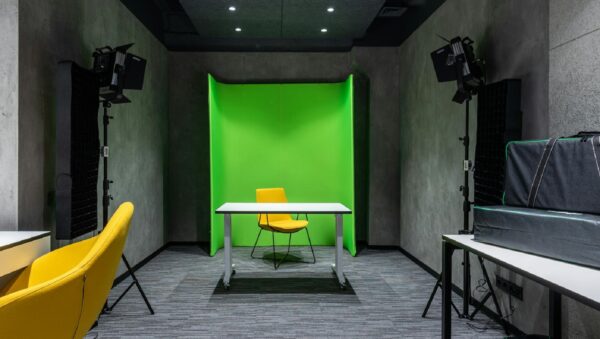
When the air outside turns colder and the days get shorter, filming indoors needs a little more planning. The light changes, coats and layers come into play, and your setup has to keep up. If you’re working with a green screen studio rental in Cincinnati this winter, the backdrop color matters more than ever. The colors behind your subject can make or break your shot, especially when shadows, reflections, and wardrobe choices start to shift with the weather. What worked well in summer might not hold up the same way once the temperature drops. That’s why thinking ahead about backdrop colors is a smart move before your shoot begins.
How Winter Lighting Changes the Way Colors Look
Even though most studio lighting stays the same all year, natural light still plays a part, sometimes without us even realizing it. In the cold months, the sun sets earlier, and window light fades fast, which can sneak up on a video session.
• Shorter days limit how long natural light can fill the space
• The cooler winter light shifts how colors appear on camera, usually adding a bluish tint
• Added artificial lights can create harder shadows and more contrast
Dark backdrops that looked great in July may blend in too much or appear muddy in January. Bright whites can reflect too sharply under cooler lighting setups. That’s why color choice isn’t only about looks, but how well the color plays with the lights around it. Shooting against the wrong tone might mean more work during editing, and green screen setups are already tricky enough during winter.
Sometimes, even with careful lighting, colors may look different in Nashville’s winter than you’d expect. Snow outside can bounce cool light into your studio windows, and glare can shift how backgrounds show up on screen. It’s best to check how your backdrop appears both on camera and to the naked eye, especially if your studio has large windows or glass doors.
Clothing and Color Conflicts: What to Watch For
Winter clothes aren’t just heavier; they’re often darker and more textured. This adds a whole new layer of things to watch out for during a shoot. If your subject walks into the studio in a forest green sweater, you’ve got a problem if you’re using a green screen.
• Dark colors can make people blend in with backdrops unintentionally
• Shiny coats or scarves might bounce light in strange directions
• Green clothing vanishes against the screen and creates big editing problems
Planning ahead is the best fix. Being aware of what people are wearing helps avoid all sorts of distractions and strange visual effects. Whether it’s a jingle performance or a voiceover shoot, you want the person to stand out, not disappear into the background or shine in all the wrong places.
For jingle or radio production shoots, extra clothing bulk means more areas for the lighting to hit at odd angles. Scarves, hats, and even lining inside hoods create extra spots that may cast shadows or produce reflections. Not only can this distract from the person in front of the camera, but it also adds more for the editor to correct in post-production.
Best Color Choices for Green Screen Backdrops in Cold Weather
Cold months call for colors that ride the middle of the road, not too bright, not too dark. When wardrobes go darker and lighting shifts cooler, certain hues just work better.
• Muted grays, soft blues, and middle-tone earth shades handle winter scenes best
• Avoid pure black or bright white backdrops, which can mess with lighting contrast
• Mid-tone colors allow the subject to stay in focus without pulling attention away
These tones give you more control during shooting and editing. They help maintain visual balance and avoid harsh or flat looks. For sessions that involve movement, like jingle tapings or character-driven radio visuals, that balance is key. Backdrops in the right tones offer a sort of quiet background that lets the action stay front and center, no matter how bundled up your subject is.
If your production involves colorful props or costumes, think through how those interact with your chosen backdrop. A mid-tone blue might work for one brand while a soft gray feels better for another. Leave room for test shots during setup, so you can double-check that the chosen tone doesn’t throw off skin tones or create unwanted lines around your subject.
Keeping Your Background Simple for Radio and Jingle Shoots
The main voice in a radio commercial or jingle should be the star of the show. That means your backdrop shouldn’t try to compete. A bold or busy background can distract your viewer from the person speaking, or from the timing of a jingle.
• Stick with clean, single-color backgrounds when filming radio and jingle work
• Soft textures or slight gradients can add dimension if the space feels too flat
• Cool and calm colors like light gray, pale blue, or dusty lavender help hold focus
For a jingle shoot, syncing visuals with the rhythm matters. A background that changes tone or reflections halfway through can throw off the final cut. Whether you’re framing the lead singer or the actor voicing a commercial, a simple color choice helps the rest of the production shine.
It’s also helpful to adjust backgrounds to match the intended feeling of a spot. Commercials with fun, energetic vocals might play better against a pale blue, while softer reads could use a gentle lavender or gray to help the mood along. Matching the background’s energy to the performance is a straightforward way to make the whole production look and sound more polished.
Timing and Setup Tips for Reliable Results
Getting your colors right is only part of the winter studio puzzle. Timing your shoot to hit the best light makes just as much of a difference.
• Schedule morning or early afternoon shoots to take full advantage of steady light
• Ask ahead about lighting setups during cold months, and if backups are available
• Always run test shots before filming to check how people, outfits, and backgrounds work together
Some days the sky might be bright at noon, but by 3 p.m., the light is gone. If you’re in the middle of a scene, any changing color or shadow can stall the process. Planning your setup carefully from the beginning helps avoid that extra back and forth. This is especially true for productions where music, voice, and graphics all need to stay in sync through post-production.
Planning for backup lighting or extra time in case clothing changes are needed is part of a good winter shoot plan. Bring extra neutral-toned wardrobe options in case someone’s outfit doesn’t work on camera against your chosen backdrop. It’s easier to fix these things at the start, rather than scrambling during editing or having to re-record important takes later.
Make Winter Studio Shoots Work for You
Cold weather does not have to slow down your studio session. If you plan for the way lighting and wardrobe affect the camera, the season becomes just another part of your setup. Layering up is fine, but knowing how those layers bounce light or cast shadows saves you time later.
Backdrop color might not be the first thing on your list when preparing for a winter shoot, but it plays a bigger role than you might expect. Choosing the right color helps your project stay on track visually, sound-wise, and during editing. A few smart choices up front can help keep your day smooth, focused, and professional, even when it’s freezing outside.
Planning a winter shoot is easier when you choose the right backdrop and time it just right. Cold weather can affect how colors appear on camera, especially with coats, shifting shadows, and changing natural light. Working with a professional space designed for the colder months gives you flexibility in lighting and setup. For a reliable green screen studio rental in Cincinnati, count on Killerspots Agency to help you plan ahead and get the most out of your session. Call us at 513-270-2500 to reserve your spot.