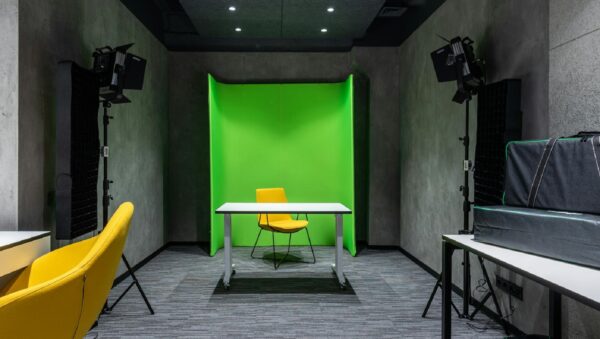
Props can add a lot to a green screen shoot when used the right way. A well-chosen item can give the scene more feeling or help tell the story better. But once too many pile in, it doesn’t take long before the whole frame starts to feel cluttered and off-balance. That’s especially true during colder months, when indoor shoots are common and layers of clothes or studio gear can crowd the space even more.
When we’re setting up a green screen studio rental in Cincinnati, we always take a closer look at how each prop fits into the plan. Does it help guide the eye? Does it play a clear role in the scene? Something might seem helpful at first but end up blocking talent or throwing off the lighting. We’ve learned that a little planning up front saves time and rework later on. Below are a few key things we think through when it comes to using props without overdoing it.
Choosing Props With a Purpose
Not all props are necessary. Some are just visual noise. That’s why the first thing we ask is whether the prop serves a real purpose.
• Props should help tell the story or support the message, not distract from it.
• If it’s jingle work, the prop should suit the mood of the sound. A vintage mic or headphones can add style, but a loud or oddly shaped item might pull attention away from the vocals.
• Seasonal props should make sense for the time of year. In Cincinnati winters, hats, scarves, or mugs might work. Using soft lighting and neutral tones can help them blend well into the scene.
We always try to avoid using anything too flashy or hard to handle. Simple props that match the story tend to work better than bold items that pop without reason. It’s not about making the shot look full, it’s about making it feel right.
Sometimes, what looks like a good fit for the scene might actually cause some confusion for the audience. Taking a step back and asking what the prop brings to the message can help stop clutter before it starts. This saves everyone time down the line when you are working in a tight indoor winter space.
Common Prop Pitfalls in Green Screen Shoots
Props can cause more trouble than expected when they aren’t the right size, color, or texture. This comes up a lot with green screen work, where wrong materials or finishes can mess up the background.
• Shiny or reflective props bounce studio lights in odd ways and may show up where you don’t want them to.
• Green-colored items will blend into the background and could disappear or cause odd outlines when editing.
• Items that block too much of the talent or pull visual weight from the main focus can hurt the take.
Cold-weather accessories like thick scarves or puffy jackets can also play tricks with shadows and lighting. These pieces are useful in winter-themed shoots but may need extra lighting control to avoid odd shapes or reflections. Knowing the season matters just as much as knowing the gear.
Props can also impact performances. If an actor has to hold or wear something uncomfortable, it could show in their body language or voice. And with puffy coats or big hats, there’s a chance for odd shadows to pop up, or microphones to pick up extra noise. Green screen setups really bring these problems out, because background editing can only do so much if the props cause color or shadow issues.
Tips to Keep Things Clean and Focused
We’ve found that light planning goes a long way when it comes to props. Small steps during setup can keep the camera view clear while still making the scene work.
• We like to use placeholders or light mock-ups during early walk-throughs. These help us get the feel of a shot without crowding it too early.
• Placing props slightly off the body avoids awkward shadows or green screen interference. As much as possible, leave space between the person and any large object.
• Stick to just one or two props in each scene. Any more than that, and production slows down from all the resets or edits.
Watching out for the cleanup needs too helps. Props that shed, drip, or carry in snow or moisture can make the green screen surface harder to clean or key out smoothly later on.
If you plan your props and their position ahead, you’ll save a lot of effort. A quick checklist before each scene goes a long way in making sure nothing ends up blocking the camera or the lighting. Less clutter also means less to worry about when editing in post, which is a nice bonus when winter days are short, and deadlines feel tighter.
How Studio Rentals Help Keep Props in Check
One reason we prefer working in a studio setting is the amount of control we get. A place like a green screen studio rental in Cincinnati offers space to move, test, and adjust each item without last-minute shakeups.
• We can rehearse prop placement with real lighting to check for any glare or color issues.
• Shadows are easier to manage thanks to adjustable fixtures. That helps us spot early if something will cast odd shapes or mess with the background key.
• During cold months, it helps to work in a space set up for winter use. Dry boots, room-temp equipment, and clear walking paths keep the whole process on schedule.
Winter shooting has fewer daylight hours and more chances for lighting mix-ups. Shooting green screen indoors with corners planned out gives us fewer surprises to deal with and more chances to keep takes clean.
Having enough space to store, label, or swap out props in a studio setting is often overlooked but turns out to be really helpful. Even a small spot behind the camera can make a difference on busy days, letting you keep backup props or seasonal extras out of the way but close at hand. When everyone knows where things go, the whole workflow just moves along faster and with less stress.
Keeping Jingle Visuals Tight and On-Brand
When we’re building visuals to match jingles or sound-based content, it’s even more important for props to stay in line. Radio-style spots or jingle promo clips often put the voice front and center. Any item on screen has to work with, not against, the tone of the audio.
• Choose props that echo the feeling of the music or script. Soft, warm touches help in colder months when the voice needs to feel friendly or personal.
• Sync movement with sound when possible. A cup flowing into shot or a hand gesture timed with a beat can feel smooth when done cleanly.
• Never let a bold object upstage the voice. Props should underline the message, not fight for attention.
Even simple items like a holiday decoration or a set of headphones should feel tied into the rest of the visual mood. We think of props like background music, they’re best when the viewer notices them only as part of the full picture.
Keeping everything pointed toward the main idea is extra important in winter, when so much effort goes into just staying comfortable and focused. Props should never get in the way of the message. Instead, set the mood so that your audience pays attention to what matters most: the jingle, the voice, or the product at the heart of the ad.
Finish Strong With Clean, Simple Choice-Making
Every prop we bring in should earn its spot in the frame. When the weather turns colder, indoor shoots get tighter and layers add visual weight. That makes clean planning more important than ever.
The goal is to help people get the message fast without being distracted. With the right kind of prep and setup, even one small object can give the scene what it needs. We’ve seen better results every time we lean into purpose and clarity, not clutter. That’s what helps each clip land the way we hoped, from the first light-up to the final cut.
Planning a winter shoot for a jingle, voiceover, or video project is all about choosing the right space, especially when cold weather could impact your props, lighting, and sound quality. That’s why so many artists trust a green screen studio rental in Cincinnati designed to handle the season’s challenges. At Killerspots Agency, we offer the space and tools to make your production smooth from the first take to the final cut. Call us at 513-270-2500 and let’s reserve your session today.