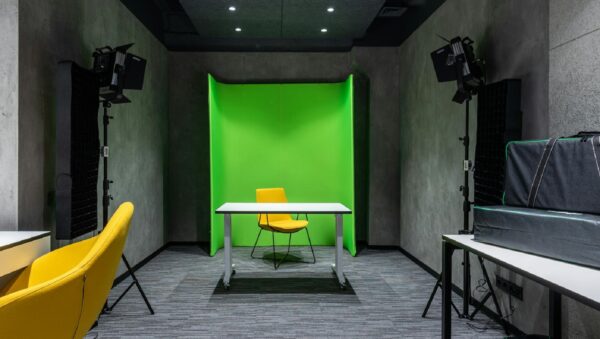
Planning a studio shoot sounds simple at first. You book a time, bring your gear, and get started. But once you’re in the space, even small mistakes can throw things off. Especially in colder months like January, in places where winter slows everything down, a smooth process matters more than ever.
When people book a green screen studio rental in Cincinnati without knowing a few key filming rules, they often end up wasting precious time. That means more scrambling, more stress, and less creativity. Whether you’re recording a holiday radio ad or working on a jingle, knowing what to expect can keep the day productive and make the most of your studio time.
Know What the Studio Can and Can’t Do
Every studio comes with its own rules. Many of them seem small, but they help keep both the space and your project safe.
• Lighting options might not be flexible. Ask what’s allowed before bringing extra lights.
• Some studios don’t allow wall changes, tape, or painting. It’s always better to check ahead of time.
• If you’re bringing your own gear, find out where the power outlets are and how much space you’ll really have.
• Studios that handle audio may have rules about when you can record, especially if there are other clients on site.
If you’re doing a voiceover or recording music, clear any sound rules in advance so there are no surprises when you hit record. Know when shared areas become busier or when cleaning might occur so you can plan your timing around those factors. This extra attention to detail guarantees your project stays on track.
Bring the Right People and Gear
One common hiccup is too many people trying to help at once. It’s great to have a team, but in a studio, more bodies often make things tougher.
• Keep your team lean. Fewer people walking around means less noise, fewer distractions, and more space to move.
• Don’t bring extra gear just to have it. Only bring what fits your plan and works well indoors.
• If you’re doing a jingle or radio ad, make sure your sound engineer or voice talent is ready to go as soon as you arrive.
Smaller winter studios can feel even tighter when they’re too full. Good planning ahead makes setup smoother and helps everyone stay focused. If you anticipate needing to swap out cables or move lights, keep your walking paths clear so it’s easy to adjust on the fly. Designate roles before you show up so everyone knows exactly where to help and when to step aside. Bringing a streamlined crew stays helpful when the weather outside is chilly and you want to keep things moving briskly.
Soundproofing Isn’t Automatic
Just being inside doesn’t always mean silent recordings. Studio walls don’t always block all sound, especially in shared or older buildings.
• Ask whether your studio has treated soundproofing or if you’ll need to work around outside noise.
• Check for neighborhood noise, heating vents, or traffic sounds before starting your first take.
• If your goal is crisp audio for a holiday jingle or voice-driven radio ad, background noise can force you to redo entire takes.
Look around during setup. If you notice odd sounds, ask about your options before you dive into recording. Keep in mind that older or historic buildings, even great studio facilities, might let in more hallway or street noise than newer construction. Consider running a quick “silent take” before the talent arrives just to spot any hidden hums, rattles, or creaks. Moving your mic away from a vent or flipping off nearby electronics can make an immediate difference in what your microphone picks up.
Use the Green Screen Right
A green screen gives you creative control, but only if you use it properly. It’s more than just standing in front of a bright wall.
• Ask how to light the background so it stays even and doesn’t create weird shadows.
• Skip wearing green. Even little hints of the same color can mess up your visuals in editing.
• Stick with calm, solid-colored outfits that don’t shine or reflect.
• If you’re using a green screen studio rental in Cincinnati in the winter, double-check that the room temperature won’t mess with your equipment or your pacing.
The cleaner your raw footage, the easier the editing layer becomes later on. Stand a few feet in front of the green screen, not pressed right against it, so you avoid casting tough-to-remove shadows. If your shoot brings different wardrobe choices, test them on camera under studio lights, subtle patterns or shiny buttons can sometimes make keying much harder in post. If lighting changes or the heat system kicks in during a take, pause and make sure nothing shifted behind your subject. It’s always easier to solve these small problems now than have to work around them during editing.
Leave Time for Setup and Breakdowns
Once your rental starts, the clock is ticking. It’s tempting to jump straight in, but rushing usually means something goes wrong.
• Plan at least 15 to 30 minutes on the front end to get your gear placed, test lighting, and do audio checks.
• Mistakes come easy when gear’s getting unboxed in a hurry or when sound tests are skipped.
• Think about the time it’ll take to wrap everything, too. Most studios expect you to leave the space just like you found it.
If your timeline is tight, try to arrive early or book a slightly longer session so you don’t feel rushed at the end. Checking everything early helps keep your nerves calm and prevents surprise last-minute issues, especially when it comes to coaxing cold lights to full brightness in winter. On wrap, take a few extra minutes to look around for leftovers or misplaced items. Some studios charge a fee if you go over your reserved slot, so a clean and quick breakdown helps both your budget and your reputation.
Make Your Studio Time Count
Renting a studio isn’t just about having access to equipment. It’s your chance to work efficiently, without a lot of the headaches that come with outdoor or home setups.
• When studio guests don’t prep for small things, like mic placement or how long gear takes to connect, it eats into serious recording time.
• Booking extra time to redo mistakes later can really throw off winter production schedules.
• Jingles and radio projects often have fast turnarounds. Prep work on the front end avoids stressful scrambles right before a deadline.
Getting a bit more organized up front keeps your energy focused on creating, not troubleshooting. Make a checklist before your session, and break up tasks so no single person gets overwhelmed. Set goals for each block of recording time, this allows for snacks, bathroom breaks, and any unexpected delays without derailing your project. Even when winter weather slows travel, a solid plan maximizes every minute spent in the studio. When we’re producing in winter, with short days and colder studio conditions, that extra planning really pays off.
Ready to record your jingle, voiceover, or radio spot without worrying about unpredictable winter setups? Our quiet, well-equipped space is designed for smooth sessions, whether you’re working solo or with a full team. Stay focused and keep your production moving without missing a beat by booking your next session in our green screen studio rental in Cincinnati. Call Killerspots Agency at 513-270-2500 to schedule your time.